Out of Sight, Out of Mind: How Streaming Giants Are Hiding Their Own Gold

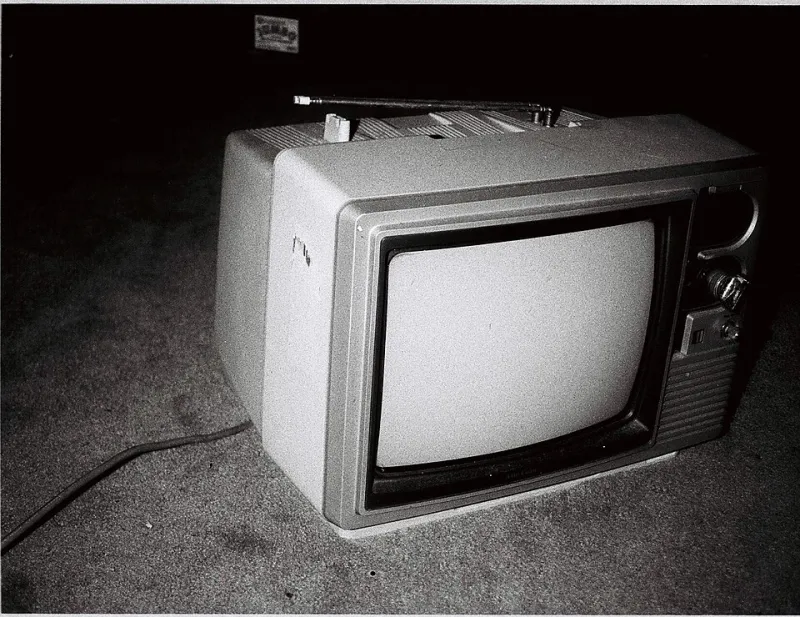
Photo: Region 5 Photography, Public domain, via Wikimedia Commons
If you've ever gone looking for something older on a major streaming platform — a classic TV drama from the early 2000s, a cult radio documentary series, a late-night comedy special from fifteen years ago — you probably know the feeling. You scroll past a wall of new releases, wade through a carousel of "Trending Now," and eventually give up wondering if the thing you wanted was even there at all. Spoiler: it probably was. You just weren't supposed to find it.
This isn't an accident. It's a business decision. And it's reshaping how Americans experience broadcast history in ways that most people haven't fully reckoned with yet.
The Library Nobody Wants You to Use
Major streaming platforms — we're talking about the household names here, the ones burning through your monthly subscription budget — have accumulated enormous content libraries over the past two decades. Some of that came through direct licensing deals. Some came through acquisitions of entire broadcast networks or production studios. A significant chunk represents genuine broadcast history: programs that aired on American television and radio, captured a cultural moment, and then got quietly absorbed into a corporate archive.
The problem isn't that this content doesn't exist on these platforms. It's that the platforms have almost no financial incentive to surface it.
"The algorithm is optimized for engagement metrics that favor novelty," explains one former content strategist who worked at a major streaming company and asked not to be named. "When you're trying to justify a new content budget to investors, the last thing you want your recommendation engine doing is pointing subscribers toward stuff you licensed ten years ago for pennies."
In other words: the archive is a cost center. New originals are a growth story. And growth stories are what keep stock prices moving.
New Release Theater
Spend an hour on almost any major streaming platform and the pattern becomes impossible to ignore. The homepage is almost entirely new releases, returning seasons, and platform originals. The recommendation rows — "Because You Watched," "Popular on [Platform]," "Top Picks for You" — skew aggressively toward content released within the last eighteen months. Older titles get buried under category tabs that require deliberate navigation, assuming they're surfaced at all.
This isn't just an aesthetic choice. It's algorithmic architecture. Platforms design their discovery systems to drive watch time on specific titles — typically the ones they've spent the most money producing or licensing recently. The result is a kind of manufactured amnesia. You can technically access thirty years of broadcast history, but the interface is quietly steering you away from all of it.
Archivists and media historians have been raising this concern for years, largely to polite indifference. "These companies talk constantly about their libraries as assets," says one broadcast archivist who works with a university media preservation program in the Midwest. "But from a discoverability standpoint, they treat those archives like storage units. Stuff goes in. It almost never comes back out unless someone already knows to look for it."
The Economics of Algorithmic Invisibility
To understand why platforms behave this way, you have to understand what they're actually selling. Subscription streaming services aren't really in the content business — they're in the retention business. The goal isn't to give you the best possible access to broadcast history. The goal is to keep you subscribed long enough to justify the monthly charge.
New originals serve that goal directly. They create appointment viewing, generate social media chatter, and give platforms something to advertise. A deep archive of older broadcast content doesn't do any of those things, at least not in ways that show up cleanly on a quarterly earnings call.
There's also a rights complexity that makes older content particularly unattractive to promote heavily. Licensing agreements for catalog titles often include residual structures — payments to writers, directors, and performers that kick in based on viewership numbers. Push an old show into the algorithm and suddenly you're generating royalty obligations you'd rather avoid. Letting it sit quietly in the back catalog keeps those costs dormant.
"It's not that they hate old content," says a media rights attorney who handles catalog licensing negotiations. "It's that old content creates accounting headaches that new originals, which they own outright, don't. The incentive structure punishes discoverability for legacy titles."
Who Actually Loses
The audiences getting shortchanged here are real, even if they're not always the ones platforms care most about courting. Researchers and academics trying to study broadcast history. Fans of niche genres — classic science fiction, regional comedy, early podcast adaptations — who know exactly what they want but can't surface it. Older subscribers who grew up with broadcast television and radio and have genuine nostalgia for specific eras of American media.
These aren't fringe use cases. They represent a significant slice of the subscription base, and they're consistently underserved by platforms that have already acquired the content those audiences want.
There's also a preservation argument worth making. When content exists on a platform but is algorithmically invisible, it occupies a strange limbo. It's not gone, exactly — but it's not really accessible either. And if licensing deals lapse or platforms get acquired or merged, that invisible content can disappear entirely without anyone noticing until it's too late.
What a Real Archive Looks Like
The contrast with genuine archive-forward platforms is stark. Services that have built their identity around catalog depth — think of the niche streaming operations that specialize in classic broadcast content, or the podcast platforms that actively surface older episodes alongside new releases — approach discovery completely differently. They invest in editorial curation, build browse interfaces that reward exploration, and treat the back catalog as a feature rather than a liability.
The irony is that the platforms with the richest broadcast libraries are often the worst at this. They acquired all that history, and then designed systems that make it structurally inaccessible.
"The archive is there," the former content strategist puts it bluntly. "The will to surface it just isn't."
Streaming the Archive, or Just Owning It?
There's a difference between a streaming service that has a library and one that actually functions as an archive. The first stores content. The second helps audiences find it, understand it, and engage with it over time. Right now, most of the major players in American streaming are firmly in the first camp — and they're not in any particular hurry to change.
For anyone who cares about broadcast history, that gap matters. The content is out there, technically accessible, sitting in servers somewhere. But without meaningful discoverability, an archive is just a very expensive hard drive.
If platforms won't fix this on their own — and the economic incentives suggest they won't — then the case for independent archives, community-driven preservation projects, and smaller catalog-focused services gets stronger every year. The big guys have the content. They've just decided you don't really need to find it.