Streaming the Past: Which Classic TV Platforms Actually Deliver on Their Archive Promises?
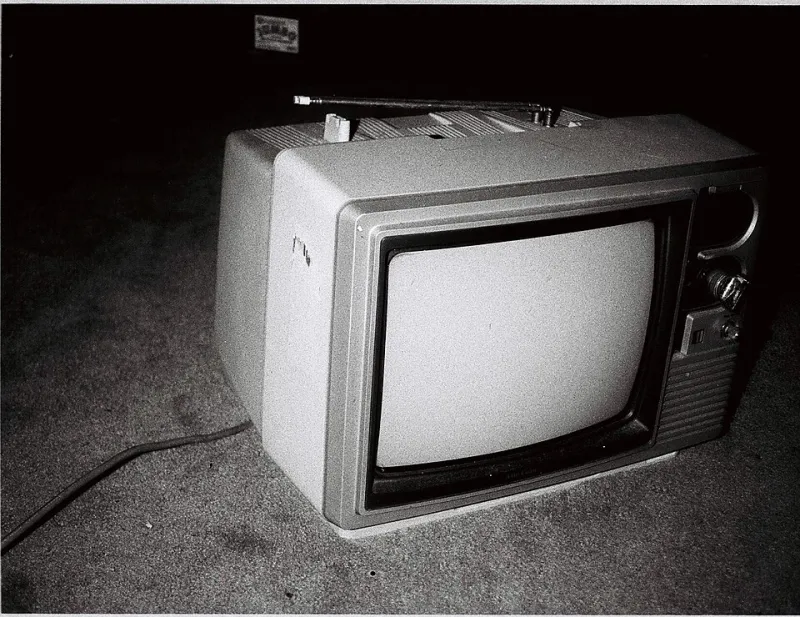
Photo: Matthew Paul Argall from Australia, CC BY 2.0, via Wikimedia Commons
There's a particular kind of frustration that hits when you fire up a streaming service, search for a show you watched religiously as a kid, and find either nothing at all or a collection missing half its seasons. You're paying for access to a so-called archive, but what you're actually getting is a curated highlight reel — someone else's idea of what's worth keeping.
At On Air Library, we believe the broadcast archive should be treated like what it is: a living, breathing record of American culture. So we spent some time actually digging into the major classic TV platforms to see who's doing it right, who's phoning it in, and which niche services deserve a lot more attention than they're currently getting.
Paramount+: Deep Catalog, Uneven Execution
Paramount+ has one of the most legitimately impressive content lineages in all of television. We're talking about CBS, MTV, Nickelodeon, BET, Comedy Central — decades of material that shaped how Americans watch and talk about TV. And honestly? The depth is real. You can find episodes of Star Trek going back to the original 1966 series, full runs of classic Cheers and Frasier, and surprisingly solid coverage of older CBS procedurals.
But here's the catch: the presentation is inconsistent. Some older series look like they've been run through a proper restoration pipeline. Others feel like someone uploaded a VHS dub and called it a day. The interface doesn't make it easy to browse by era or network of origin, which means you need to already know what you're looking for. For casual discovery of broadcast history, it's clunky.
That said, if you're specifically a fan of the CBS legacy or classic Nickelodeon, the value is genuinely there.
Max: HBO's Prestige Lens on Archive Content
Max (formerly HBO Max, formerly just HBO Go — yes, it's been a whole journey) approaches its archive with a prestige sensibility that's both its greatest strength and its most significant blind spot. The HBO library is exceptional. The Warner Bros. television catalog has real depth. But the platform leans hard into premium content, which means a lot of mid-tier network broadcast history simply isn't here.
What Max does well, it does very well. Restoration quality on flagship properties tends to be excellent. Classic series like The Wire, The Sopranos, and Six Feet Under are presented with care. If your definition of classic TV skews toward prestige drama from the last 25 years, Max probably has you covered.
If you're looking for, say, a complete run of a forgotten early-'80s network sitcom or regional broadcast specials, you'll come up empty. Max is a curated museum, not a comprehensive archive.
Peacock: The NBC Legacy Play
Peacock is quietly underrated as a classic TV destination. NBC's broadcast history runs deep — The Tonight Show, Saturday Night Live, decades of must-see TV Thursday nights — and Peacock has made a genuine effort to surface that material. The free tier gives you access to a surprising amount of older content, which lowers the barrier to entry considerably.
The SNL archive alone is worth a bookmark. Full episodes going back to the mid-'70s, reasonably well-organized, with most of the classic musical performances intact (though music licensing still causes occasional gaps — a frustrating industry reality). Classic episodes of Cheers, Frasier, and Will & Grace round out a solid comfort-viewing catalog.
Where Peacock struggles is in the deeper cuts. If you want obscure early-era network programming, the well runs dry fast.
The Niche Platforms Doing the Real Work
Here's where things get genuinely interesting. While the major streamers fight over subscriber counts and original content budgets, a handful of smaller, more focused platforms are quietly building the most honest broadcast archives in the space.
Shout! TV and its parent company Shout! Factory have built a remarkable collection of cult favorites, horror programming, and genre television that the major platforms wouldn't touch. Their approach feels closer to actual archival work — they're not just licensing popular shows, they're tracking down obscure titles and making them available.
Tubi, Fox's free ad-supported service, has an enormous and genuinely chaotic catalog that rewards patient browsing. You'll find things on Tubi that you genuinely cannot find anywhere else legally, including older syndicated series and international productions that aired in US markets. It's not curated in any meaningful sense, but the sheer volume creates its own kind of discovery experience.
The Criterion Channel operates in a different lane — it's primarily film-focused — but its approach to archival presentation, with essays, supplements, and historical context, is the gold standard for how streaming services should treat legacy content. Television platforms could learn a lot from how Criterion treats its catalog.
Why So Much Is Still Missing
The frustrating reality of classic TV streaming is that the gaps aren't accidental. Rights fragmentation is a genuine structural problem. A single episode of a network series from the 1970s might involve music licensing from multiple publishers, performance rights from actors' estates, and underlying rights from production companies that have been bought, sold, and merged several times over. Clearing all of that for streaming is expensive and time-consuming, and for a show without a built-in fanbase, the economics rarely work out.
Then there's the physical reality: a significant portion of early television simply no longer exists in a form that could be streamed. Pre-videotape broadcast was often recorded on kinescope film or not recorded at all, and what survived did so largely by accident. What you see in any streaming archive is, in a very real sense, only what managed to survive.
What to Actually Subscribe To
If you're trying to build out a genuine classic TV viewing diet, the honest answer is that no single platform gets you there. Paramount+ for CBS legacy content and classic Nickelodeon. Peacock for NBC history and SNL. Max for HBO prestige and Warner Bros. television. Tubi as a free supplement for the unexpected finds.
And honestly? Keep an eye on the niche players. The services that treat archive content as their primary mission — rather than a secondary selling point — are consistently more interesting destinations for anyone who cares about broadcast history as more than just background noise.