Rewind Culture: How Serious Listeners Are Walking Away From Algorithms and Back to Tape
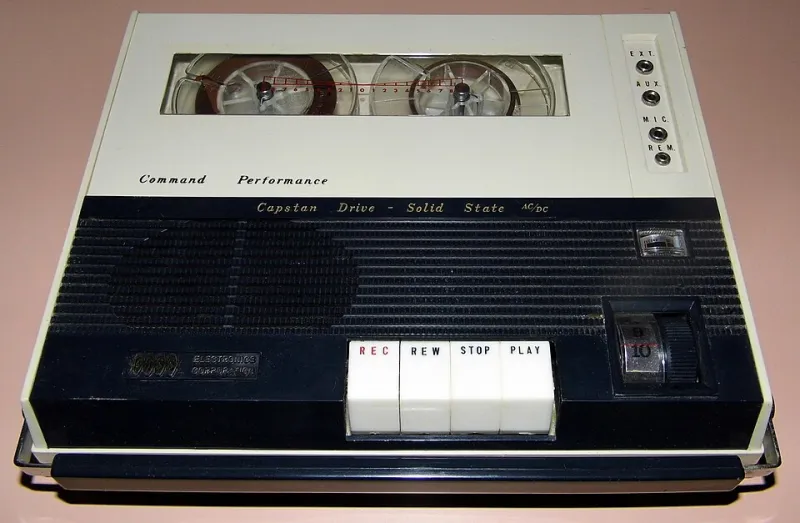
Photo: Joe Haupt from USA, CC BY-SA 2.0, via Wikimedia Commons
There's a moment that a lot of serious audio collectors describe the same way. They're sitting in front of a streaming interface, scrolling through a sea of algorithmically suggested content, and something just clicks off inside them. Not the app — their interest in it. The next thing they know, they're on eBay at midnight bidding on a reel-to-reel tape from a 1973 FM broadcast out of Chicago.
This isn't a fringe phenomenon anymore. Across the US, a surprisingly broad community of listeners — some lifelong audiophiles, some younger converts who never experienced analog media the first time around — are actively hunting down original broadcast recordings, rare tape archives, and vinyl pressings of radio content that the streaming world has never touched. And they're not just collecting dust. They're listening.
The Algorithm Problem Nobody Wants to Say Out Loud
Streaming platforms have done a genuinely impressive job of making access easy. You can find almost anything in seconds. But "almost anything" is doing a lot of work in that sentence.
What the major platforms serve up is shaped by licensing deals, content partnerships, and recommendation engines trained to keep you engaged — not necessarily to expose you to something genuinely rare or historically significant. If a piece of broadcast content doesn't exist in a format that fits neatly into a streaming catalog, it effectively doesn't exist at all for most listeners.
That's the gap the analog revival is filling. Collectors aren't rejecting technology out of nostalgia alone. A lot of them are rejecting the curation model — the idea that a corporation's algorithm should be the gatekeeper between a listener and audio history.
"The platforms own the experience," says one collector based in Portland who focuses on late-night jazz radio broadcasts from the 1960s and 70s. "When I play a tape I tracked down from an estate sale in Ohio, I own that experience. Nobody's serving me ads. Nobody's deciding what comes next."
What They're Actually Finding in the Tape Collections
The content these hunters are unearthing is genuinely remarkable. Original FM broadcast recordings captured on high-quality reel-to-reel equipment by radio engineers and enthusiastic hobbyists represent a category of audio that streaming platforms simply cannot replicate — because most of it was never digitized, and much of it exists in only one or two physical copies in the world.
Think concert broadcasts that predate any official live recording. Radio dramas that never made it to commercial release. Local news programs from markets that have since consolidated into homogenized national formats. DJ sets that documented regional music scenes before anyone thought to preserve them formally.
Vinyl is part of this picture too, though in a slightly different way. Beyond standard commercial releases, collectors are tracking down acetate transcription discs — the format radio stations used for decades to archive broadcast content before tape became standard. These discs were often discarded when stations upgraded their systems, which means surviving examples carry enormous historical weight.
The audio quality argument is real, but it's more nuanced than the standard "vinyl sounds warmer" talking point. For broadcast recordings specifically, the original format often captures details that even high-resolution digital transfers miss — room acoustics, equipment artifacts, the specific texture of a particular era's production style. These aren't flaws to the people who seek them out. They're authenticity markers.
The Archive as Personal Statement
One thing that distinguishes this movement from ordinary record collecting is the emphasis on broadcast content specifically. These aren't people who just want to own music on vinyl because they prefer the format. They're drawn to content that was, by its original nature, ephemeral — content that was transmitted once, heard by whoever happened to be tuned in, and then gone.
Owning a recording of that broadcast is a fundamentally different kind of ownership than owning a commercial album. It's the difference between owning a copy of a book and owning the only surviving manuscript.
For collectors who care about this distinction, the streaming model isn't just inconvenient — it's philosophically incompatible with what they value. Streaming is designed around content that exists in infinite, identical copies, available to everyone simultaneously. Broadcast archive collecting is about content that is finite, specific, and irreplaceable.
This maps directly onto a broader anxiety that's been building among listeners who think seriously about digital ownership. When you stream something, you don't own it. You're renting access, and that access can be revoked — by a rights dispute, a platform shutdown, a licensing change, or a simple business decision made by people who've never heard the content in question. Physical media doesn't work that way. A tape in your possession is yours.
Who's Actually Doing This?
The collector community skews older in some respects — people who remember what it felt like to record FM broadcasts off the radio onto cassette, who have a visceral relationship with physical media that younger listeners often don't. But the movement is genuinely cross-generational in ways that are worth noting.
Younger collectors, particularly those in their 20s and early 30s, are often drawn in through the vinyl revival first, then find themselves pulled toward broadcast-specific content as their interest deepens. Online communities — ironically, often hosted on the same digital platforms they're partially reacting against — have become crucial connective tissue, helping collectors identify sources, authenticate recordings, and share what they're finding.
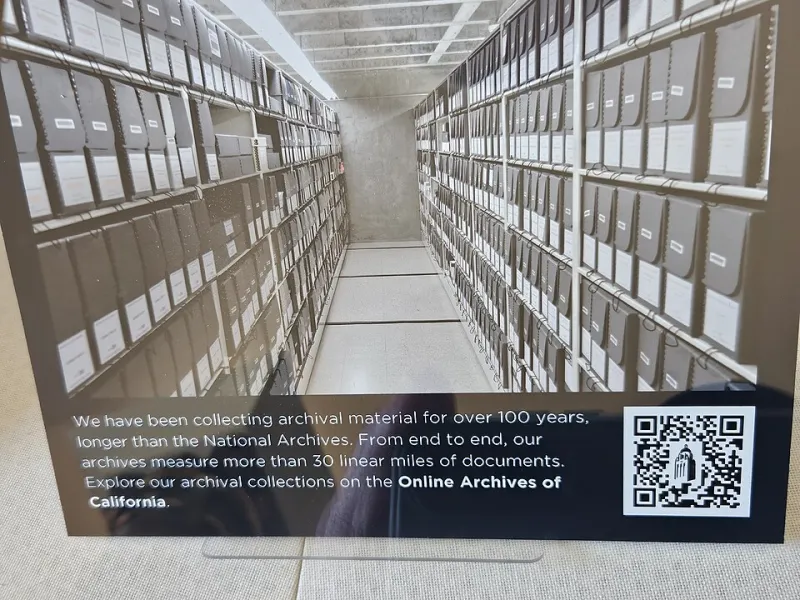
Flea markets, estate sales, and regional tape traders remain primary sourcing channels. University surplus sales and library deaccessions occasionally surface institutional broadcast archives. And the collector-to-collector network, built largely on trust and shared passion, moves material that would never appear on any commercial marketplace.
What This Tells Us About Where Listening Is Headed
The analog broadcast revival isn't going to replace streaming. That's not the point, and the people involved aren't making that claim. But it does reveal something important about what a segment of serious listeners actually want from their audio experience.
They want ownership that's real, not conditional. They want content that exists outside the corporate content ecosystem. They want the experience of engaging with audio history on its own terms, without an algorithm deciding what they should hear next.
For a site like On Air Library, that impulse is familiar territory. The whole premise of building a meaningful audio archive — of treating broadcast content as something worth preserving and returning to — is rooted in the same values driving people to hunt down 50-year-old tape reels in estate sales. Broadcast content matters. It deserves to be owned, not just accessed.
The streamers have the catalog. The collectors have the archive. And right now, a growing number of listeners are deciding that the archive is where the real listening happens.