Nowhere to Stay: The Restless Life of Podcasts in the Streaming Wars
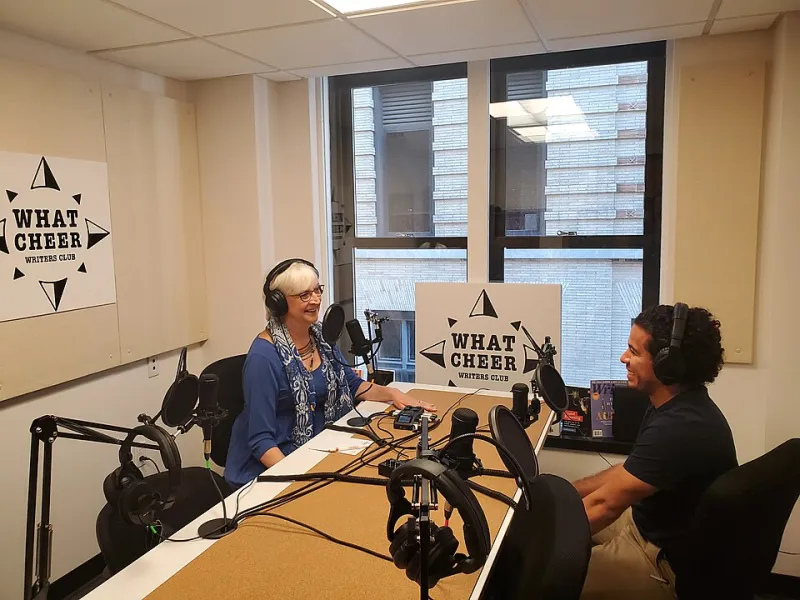
Photo: JKizzieHumanities, CC BY-SA 4.0, via Wikimedia Commons
You open your podcast app one Tuesday morning, hit play on the show you've followed since episode one, and get a dead end. No new episode. No explanation. Just a faint little message pointing you toward a different platform you don't subscribe to. Sound familiar? You're not imagining it — and you're definitely not alone.
Over the past three years, the podcast world has been through a kind of rolling displacement. Shows that built loyal audiences on open RSS feeds and independent hosting have been quietly — sometimes not so quietly — swept up into exclusive arrangements with the big players: Spotify, Apple Podcasts, Amazon Music, and, more recently, YouTube. The result is a landscape where listeners increasingly have to chase their favorite shows across platforms rather than the other way around.
The Money Behind the Move
Let's be honest about what's driving this: cash, and the promise of stability. Independent podcast hosting has never been a particularly reliable income stream. Ad revenue fluctuates wildly, Patreon pledges ebb and flow, and the cost of production — even for a two-person show recorded in a spare bedroom — adds up fast.
When Spotify started writing checks in the neighborhood of seven figures for established shows back in 2019 and 2020, it sent a message through the entire industry. Suddenly, exclusivity wasn't just a corporate power play — it was a lifeline for producers who'd been grinding for years on slim margins.
According to data compiled by Podtrac and industry tracker Podnews, more than 200 notable English-language shows relocated from open platforms to exclusive or semi-exclusive arrangements between 2021 and 2024. That number almost certainly undercounts the smaller, mid-tier shows that made the jump without generating any press coverage.
"I didn't want to move," says one Brooklyn-based producer who runs a narrative history podcast with around 80,000 monthly listeners — a solid audience by most measures, but not one that generates a livable wage from ads alone. "But when a platform offers you a two-year deal that covers your production costs and actually pays you a salary, it's hard to say no. I have rent. I have a team."
She asked not to be named because her contract includes an NDA — itself a telling detail about how these deals operate.
What Listeners Actually Lose
Here's the part that doesn't get discussed enough: when a show moves platforms, the back catalog doesn't always come with it.
Some deals are structured around new episodes only, leaving years of older content stranded on the original host. Sometimes the RSS feed gets redirected but the episode files go dark. Other times, the show simply vanishes from the open ecosystem entirely, accessible only inside a walled garden.
For casual listeners, this is annoying. For the kind of dedicated audience that treats a long-running podcast like a living archive — going back to episode 12 when a new episode references something from three years ago — it's a genuine loss.
This is the tension at the heart of the streaming era that On Air Library has been tracking since day one: content that feels permanent rarely is. The same forces that made it easy to access audio from anywhere have also made it surprisingly easy to make that audio disappear.
The Platform Perspective
Spotify, Apple, and YouTube each have their own logic for pursuing exclusives, and it's worth separating them.
Spotify's strategy has been the most aggressive and, frankly, the most chaotic. The company spent over a billion dollars acquiring podcast studios and signing exclusive deals, then reversed course on several of them when the returns didn't materialize fast enough. Joe Rogan's deal — famously worth around $200 million in its second iteration — eventually became non-exclusive, a quiet admission that locking content behind a single platform has real costs in audience reach.
Apple has played it differently, leaning on its existing subscriber base and pushing premium subscription tiers rather than hard exclusives. YouTube, meanwhile, is betting that video podcasting is the future and that creators will migrate naturally toward where the ad money is flowing.
For listeners, the practical effect is the same: you need multiple apps, multiple subscriptions, and a lot of patience.
How to Protect Your Library Before It Moves Again
If you've learned anything from watching this landscape shift, it should be this: don't assume the episodes you love will be where you left them.
Here are a few practical moves worth making now:
Download episodes you care about. Most podcast apps — Overcast, Pocket Casts, Apple Podcasts — let you save episodes locally. For shows you follow closely, make it a habit to download new episodes when they drop rather than streaming them. If the feed goes dark, you'll still have the files.
Use a dedicated archiving tool. Apps like Podqueue or even a simple RSS reader can help you track feeds and pull content before it migrates. Some listeners use command-line tools like yt-dlp or podcast-dl to batch-download entire back catalogs — perfectly legal for personal use.
Follow the producer, not just the show. Podcast hosts who are active on social media or Substack tend to announce platform moves before they happen. If you're subscribed to a creator's newsletter, you'll usually get advance notice.
Check the original host before assuming content is gone. Sometimes episodes persist on Anchor (now Spotify for Podcasters), Buzzsprout, or Libsyn even after a show migrates. The redirect may have broken, but the files can still be there.
A Rights Question Nobody's Answering Clearly
Underneath all of this is a murkier issue: who actually owns a podcast once it's been licensed to a platform?
Most exclusive deals are structured as licenses, not full transfers of ownership — meaning the creator theoretically retains the underlying rights. But the practical ability to exercise those rights, to pull content back, to republish it elsewhere, or to release it into the open ecosystem after a deal expires, varies enormously depending on how the contract was written.
"I've talked to producers who didn't realize their deal gave the platform first right of refusal on their next three projects," says one entertainment attorney who works with independent audio creators. "They signed something that felt like a distribution agreement and ended up in something much closer to a development deal."
For listeners building their own digital archives, this matters because it affects what comes back to open platforms after exclusivity windows close — and whether it comes back at all.
The Show Must Stream — But Where?
Podcasting built its audience on openness. The RSS protocol that powers the medium was designed specifically so that no single company could control distribution. That architecture is still technically intact, but the economic pressures pushing creators toward walled gardens are real and aren't going away.
The best thing a listener can do right now is treat their podcast library the way a good archivist treats any collection: with the assumption that access is temporary and preservation is personal. Stream what you love. Download what you can't afford to lose. And maybe — just maybe — let your favorite creators know that their independence is worth something to you, even if a platform's check is bigger than your Patreon pledge.
The archive belongs to whoever builds it. Start building.